



Avoid Electrical Hazards: The Role of Professional Installation
Proper electrical installation is one of the most critical aspects of maintaining a safe and functional home. Faulty or outdated wiring is a leading cause of residential fires and electrical hazards, making the expertise of residential electricians essential. From understanding your home's energy demands to upgrading systems and appliances, investing in professional installation protects your family, your property, and your peace of mind. This article explores why proper electrical installation matters, common risks associated with poor wiring, and practical steps homeowners can take to safeguard their homes.
Understanding the Importance of Proper Electrical Systems
Electricity powers nearly every aspect of modern living, but when wiring is improperly installed, it can create dangerous conditions. Loose connections, outdated circuits, and insufficient capacity for modern appliances can all lead to electrical fires, shocks, and equipment damage. Engaging licensed residential electricians ensures that systems meet current safety standards, comply with building codes, and accommodate today's energy demands.
It's also important to recognize that an average U.S. household consumes about 10,500 kWh of electricity per year, according to the U.S. Energy Information Administration. This significant energy use highlights the need for a system designed to handle modern loads safely. A properly installed system prevents overloads, reduces the risk of short circuits, and supports efficient operation of appliances and HVAC systems.
Identifying Electrical Risks in Your Home
Common hazards from improper electrical installation include overloaded circuits, outdated breaker panels, and exposed wiring. Kitchens, laundry rooms, and home offices are often high-risk areas due to the concentration of energy-intensive appliances. Without adequate wiring, these areas can become hotspots for electrical hazards.
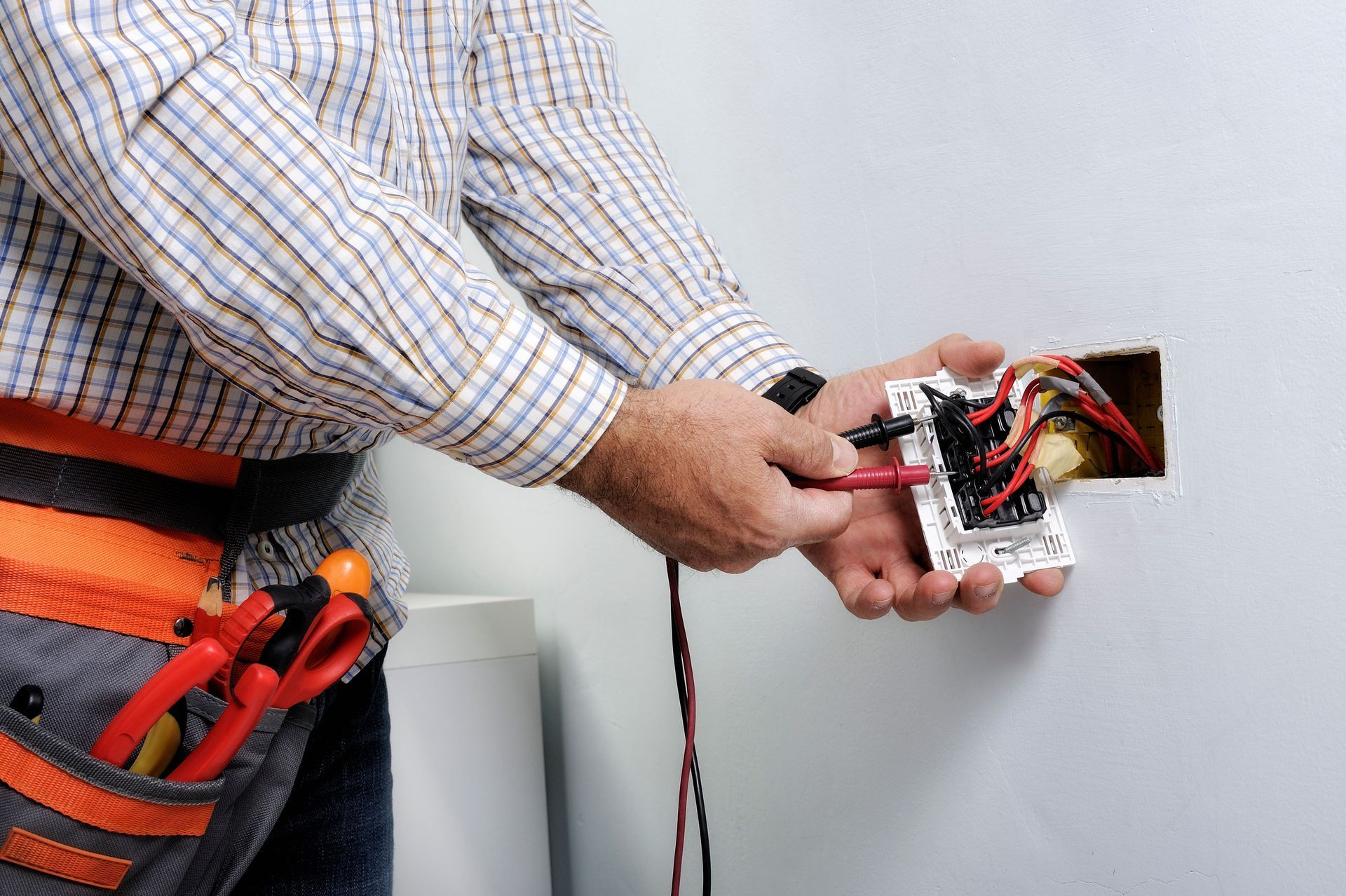
Residential electricians can evaluate your home's current electrical infrastructure, identifying areas where wiring is insufficient or unsafe. This includes inspecting outlets, breakers, and grounding systems, as well as testing for hidden issues that may not be immediately apparent. Early identification of risks allows homeowners to implement corrective measures before problems escalate, creating a safer living environment for everyone.
Upgrading and Maintaining Electrical Systems
Regular maintenance and timely upgrades are key components of electrical safety. Over time, wiring can degrade, breakers can fail, and circuits may no longer meet modern energy demands. Professionals can replace outdated panels, upgrade wiring, and install surge protection to reduce the risk of fire or equipment damage.
One of the most effective ways to ensure home safety is to schedule periodic inspections with residential electricians. These inspections help catch issues such as loose connections, damaged insulation, or improperly grounded outlets. In addition to safety, upgrades often improve energy efficiency, which can lower utility bills and reduce strain on household systems.
Proper installation and maintenance also involve ensuring appliances are compatible with your home's electrical capacity. High-demand appliances like ovens, dryers, and HVAC systems require circuits designed to handle their load. Residential electricians can recommend dedicated circuits or updated wiring to prevent overloading, enhancing both safety and performance.
Safe Electrical Practices for Every Homeowner
Homeowners can take several steps to complement professional installation and maintain a safe electrical environment. First, avoid overloading outlets and extension cords, which can cause overheating. Next, regularly test smoke detectors and circuit breakers to ensure they function correctly.
Using high-quality, energy-efficient appliances can reduce electrical strain, and pairing them with properly installed outlets and circuits maximizes both safety and longevity. Homeowners should also be cautious with DIY electrical work; even seemingly minor mistakes can pose serious hazards. Relying on the expertise of residential electricians minimizes risk and ensures work complies with all safety regulations.
Integrating smart home technology can further enhance safety. Smart breakers, automated shutoffs, and real-time monitoring allow homeowners to detect and respond to electrical issues quickly. These tools, combined with professionally installed systems, provide a proactive approach to minimizing hazards while accommodating modern energy demands.
The Role of Electrical Safety in Energy Efficiency
Properly installed electrical systems do more than prevent hazards —they also support energy efficiency. When circuits are correctly configured, appliances operate optimally, and energy waste is minimized. For instance, high-demand appliances draw power more efficiently on dedicated circuits, reducing unnecessary consumption.
Residential electricians can perform energy audits during installation or upgrades to identify areas where efficiency improvements are possible. From LED lighting to smart thermostats and energy-efficient HVAC systems, the combination of safety and efficiency reduces energy bills while protecting the home. Addressing these aspects together ensures that homeowners benefit from both cost savings and enhanced safety.
Preventing Electrical Fires and Hazards
Electrical fires are among the most preventable household disasters. Many fires result from outdated wiring, improperly installed outlets, or overloaded circuits. Engaging residential electricians for installations and upgrades significantly reduces these risks. Proper grounding, breaker selection, and wire sizing are critical steps in preventing overheating and electrical shorts.
Routine inspections identify frayed cords, malfunctioning outlets, or faulty connections before they become dangerous. Educating homeowners on recognizing warning signs —like flickering lights, warm outlets, or tripped breakers —empowers them to take immediate action. Early intervention can prevent small electrical issues from escalating into emergencies.
Proper installation also includes adhering to local building codes and safety regulations. Compliance ensures that electrical systems meet established safety thresholds and can withstand the demands of modern household appliances. Professionals are well-versed in these codes, protecting homeowners from hazards and potential liability.
Integrating Renewable and Modern Electrical Solutions Safely
As more households adopt renewable energy, proper electrical installation becomes even more important. Solar panels, battery storage, and hybrid systems must integrate seamlessly with existing wiring to prevent hazards. Incorrect installation can lead to issues, short circuits, or system inefficiencies.
Residential electricians evaluate your home's capacity and design systems that safely incorporate renewable technologies. Proper integration ensures safe power flow, maintains energy efficiency, and reduces the risk of electrical accidents. Hybrid energy setups, combining solar with the grid or wind energy, also require precise installation to manage load demands and ensure safety under all conditions.
Planning Upgrades and Ongoing Safety Measures
When considering electrical upgrades, prioritize areas with the highest risk and energy demand first. Kitchens, laundry rooms, and home offices often benefit most from enhanced wiring, dedicated circuits, and surge protection. Residential electricians can help sequence upgrades efficiently, balancing cost, convenience, and safety.
Maintenance routines should also be established to monitor system performance over time. Regular inspections, breaker testing, and appliance evaluations maintain a high standard of safety while extending system lifespan. Modern tools, like smart breakers and remote monitoring, can further assist in maintaining a secure electrical environment.
Avoiding shortcuts or low-quality materials is essential. Even minor compromises can create hazards, increase repair costs, or reduce efficiency. A proactive, professional approach ensures that your investments in electrical upgrades provide lasting benefits, both in safety and functionality.
Properly installed electrical systems are the cornerstone of a safe, efficient, and modern home. From preventing fires and shocks to supporting energy-efficient appliances and renewable energy integration, the expertise of
residential electricians is indispensable. By identifying risks, upgrading systems, and adopting smart practices, homeowners can protect their families and property while optimizing energy use.
Investing in professional electrical services ensures compliance with safety standards, supports long-term reliability, and promotes peace of mind. Don't wait for small problems to turn into major hazards; contact Assertive Electric LLC today to safeguard your home, enhance energy efficiency, and secure a safer future for your family.

Share On: