



How an Electrical Contractor Helps Ensure Safety and Code Compliance
Electrical systems form the backbone of safe, functional buildings, powering everything from lighting and appliances to critical safety systems. When these systems are not properly designed or installed, the risks include fire hazards, equipment failure, and code violations that can lead to costly corrections. An electrical contractor plays a central role in preventing these issues by ensuring that every stage of an electrical project is handled with precision and compliance in mind. Their expertise helps translate technical requirements into practical, safe solutions for residential, commercial, and industrial environments.
A contractor is responsible for coordinating design, installation, inspection, and long-term system performance. Their involvement ensures that electrical systems are not only functional but also aligned with national and local safety standards. As modern buildings become more dependent on complex electrical infrastructure, their role continues to grow in importance. This makes professional oversight a key factor in both safety and operational reliability.
Planning and Designing
Effective electrical systems begin with structured planning and thoughtful design. At this stage, an electrical contractor evaluates building layouts, power requirements, and intended usage to develop systems that are both efficient and safe. Poor planning can lead to overloaded circuits, inefficient layouts, and long-term compliance issues.
Coordination is also essential during this phase. A contractor works alongside architects and engineers to ensure electrical plans integrate seamlessly into the broader construction design. This reduces conflicts during installation and ensures systems are aligned with structural limitations and safety codes.
A major advantage of early involvement is foresight. An electrical contractor anticipates future energy demands, helping ensure the system can accommodate expansion or additional load requirements. This prevents expensive redesigns later and supports long-term reliability. In many projects, the contractor becomes a key decision-maker in balancing performance, safety, and cost efficiency.
Inspecting and Testing
Inspection and testing are essential steps in verifying that electrical systems function safely before activation. This phase ensures that wiring, circuits, and components are installed correctly and meet required standards. An electrical contractor carefully evaluates every element to confirm system integrity.
Testing includes a range of diagnostic procedures such as load testing, continuity checks, and voltage verification. These processes help identify hidden issues that may not be visible during installation. Catching these problems early significantly reduces the risk of system failure or safety hazards.
Ongoing inspections are equally important after installation. Environmental conditions, wear and tear, and system usage can all affect performance over time. Regular monitoring ensures that small issues are addressed before they escalate into major electrical faults. This proactive approach strengthens long-term system reliability and safety.
Installing and Wiring
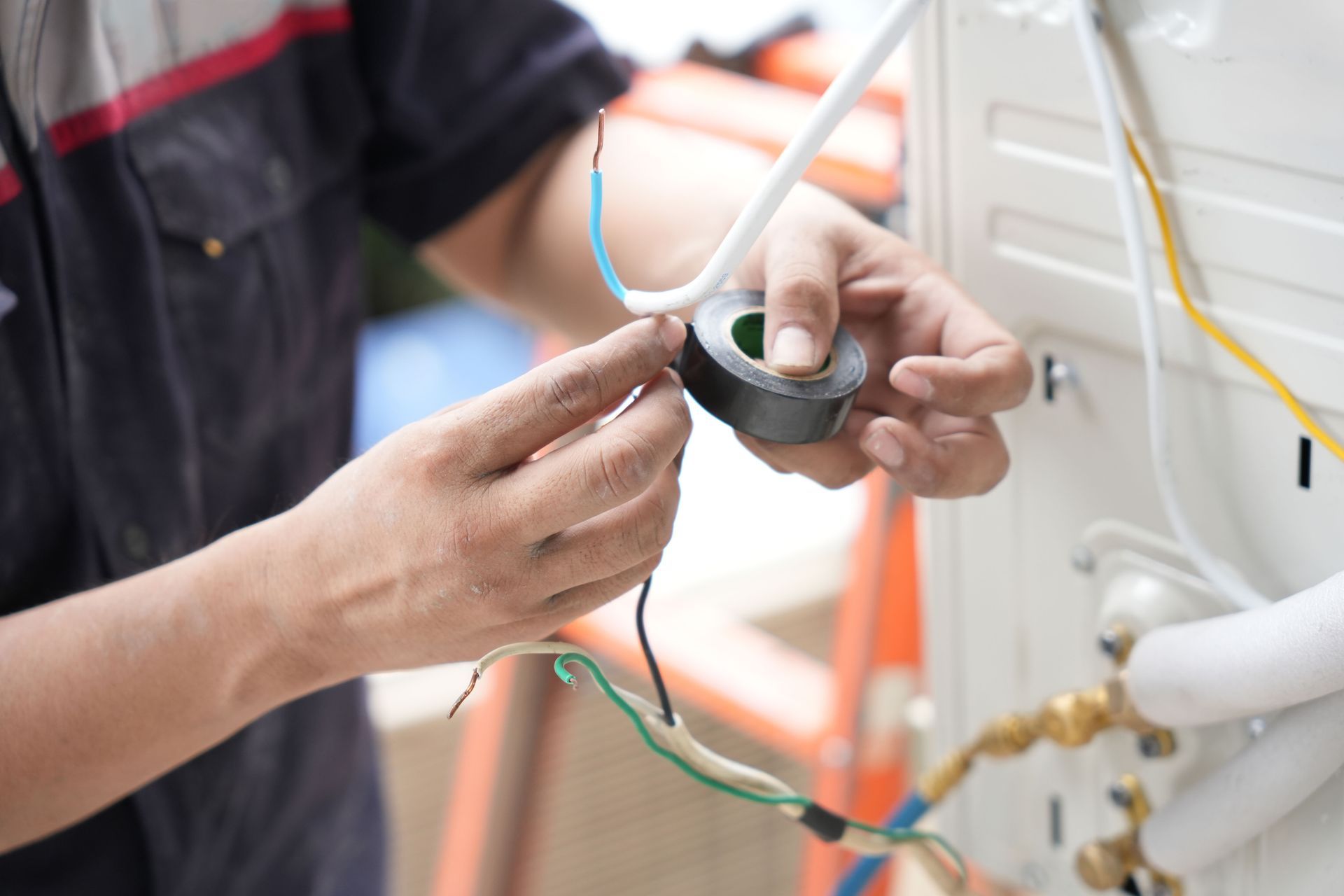
Installation is one of the most technical stages of electrical work, requiring precision and strict adherence to safety codes. At this stage, a contractor ensures that wiring, panels, and distribution systems are installed correctly and efficiently. Every connection must be properly secured and tested to prevent future issues.
Organization plays a critical role during installation. Wiring must be clearly labeled, properly routed, and safely secured to avoid overloads and interference. Poor installation practices can lead to inefficiencies, increased maintenance costs, and safety risks such as short circuits or overheating.
Material selection also directly impacts system quality. Durable wiring, certified circuit breakers, and approved components ensure long-term performance and compliance. An electrical contractor ensures that all materials meet required standards and are suitable for the specific environment in which they are installed. This attention to detail helps create systems that are both reliable and safe.
Maintaining and Repairing
Electrical systems require consistent maintenance to remain safe and efficient over time. Without regular servicing, components can degrade, leading to performance issues or potential hazards. A contractor helps prevent these outcomes through structured maintenance programs.
Routine maintenance typically includes system inspections, testing, and component replacement where necessary. These checks ensure that electrical systems continue to operate within safe limits and remain compliant with applicable codes. Preventive maintenance also helps extend the lifespan of electrical infrastructure, reducing long-term costs.
When issues do arise, prompt repair is essential. Faulty wiring, circuit overloads, or damaged equipment can disrupt operations and create safety risks. A contractor quickly diagnoses these problems and implements corrective solutions to restore functionality. This responsive approach minimizes downtime and ensures systems remain reliable.
Complying and Certifying
Compliance with electrical codes is not optional; it is a legal and safety requirement in all construction and maintenance projects. These regulations are designed to ensure systems operate safely and consistently across different environments. An electrical contractor ensures that every stage of a project aligns with these standards.
Certification is the final validation that an electrical system has been properly installed and tested. It confirms that all components meet national and local code requirements and are safe for use. Without this certification, systems may not be approved for activation or occupancy in many jurisdictions.
According to the U.S. Bureau of Labor Statistics, employment for electricians is projected to grow by roughly 9% between 2024 and 2034, reflecting increased demand for skilled professionals capable of managing complex electrical systems and ensuring compliance with evolving infrastructure needs. This growth highlights the ongoing need for qualified expertise in electrical safety and system design.
A contractor ensures that compliance is maintained throughout the entire project lifecycle, from planning to final inspection. Their role in certification provides assurance that systems are both legally compliant and structurally sound, reducing risks for property owners and occupants.
Responding and Restoring
Electrical failures can occur unexpectedly and often require immediate attention to prevent disruption or danger. These issues may include power outages, system malfunctions, or equipment failures that impact daily operations. Fast response is critical in minimizing damage and restoring functionality.
An electrical contractor is trained to assess emergency situations quickly and determine the root cause of the issue. This process involves isolating affected systems, identifying faults, and implementing safe repair strategies. Their ability to act efficiently helps reduce downtime and prevents further system damage.
Restoration efforts also focus on long-term prevention. After resolving immediate issues, a contractor evaluates system performance to identify underlying causes of failure. This allows for improvements in design, maintenance, or usage practices. As a result, systems become more resilient and less likely to experience repeat failures.
Training and Developing
Ongoing training is essential in maintaining high safety standards within the electrical industry. Technology, materials, and regulations continue to evolve, requiring professionals to stay updated with current practices. Continuous learning ensures that safety remains a priority in all electrical work.
A contractor invests in regular training to strengthen technical skills and improve awareness of new safety protocols. This includes understanding updated code requirements, learning new installation techniques, and adopting modern diagnostic tools. These improvements directly enhance the quality and safety of electrical systems.
Safety culture is equally important in day-to-day operations. Teams are trained to follow strict procedures, use protective equipment, and communicate effectively during projects. This reduces risks and ensures that safety is consistently maintained across all job sites, regardless of project size or complexity.
Electrical systems require careful planning, precise execution, and ongoing maintenance to ensure safety and compliance. Each stage of the process contributes to system reliability, from initial design through long-term operation. Without professional oversight, the risks of inefficiency and safety failures increase significantly.
A qualified electrical contractor provides the expertise needed to manage these systems effectively while ensuring adherence to regulatory standards. Their involvement supports safer environments, improved performance, and long-term reliability for all types of properties. For dependable electrical solutions and professional service, contact Assertive Electric LLC.



Share On: